
Notícias publicadas
LG's New 1Hz Laptop Panel Starts Shipping, but the Real Story Is Battery Time in Premium Windows Laptops
April 01, 2026
What Changed
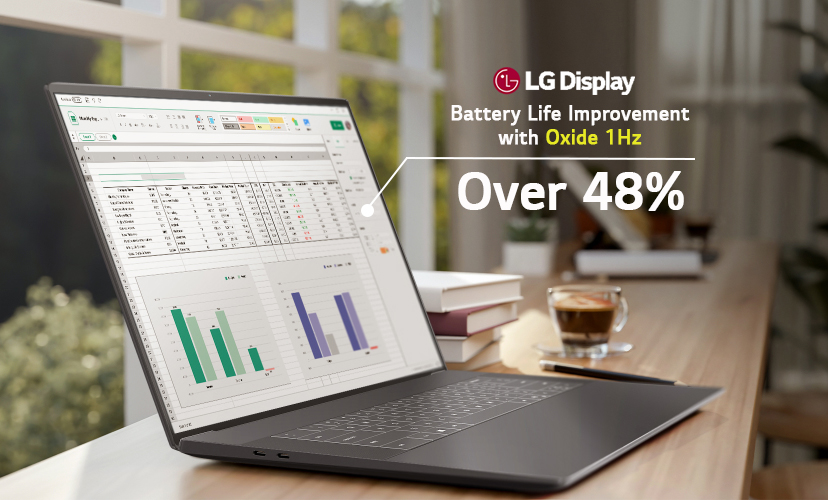
A major panel supplier says it has started mass production of a laptop LCD that dynamically shifts from 1Hz to 120Hz.
In plain terms, the screen can slow down heavily when the image is mostly static, then speed up again when you scroll, watch video, or game. The first announced deployment is in premium XPS laptops.
The concrete comparison is important: instead of staying near traditional high refresh behavior all the time, this panel can go far lower during low-motion tasks. That creates a bigger power-saving window than fixed-refresh designs and wider range than many laptop panels that do not drop this low.
Why It Matters
The headline is not only smoothness. The bigger upgrade is potential battery efficiency in daily use, where many people spend hours in email, documents, browser tabs, and reading.
This could matter most for mobile professionals, students, and frequent travelers who value unplugged runtime more than peak benchmark numbers.
There is a clear limit, though: battery gains are vendor-quoted and can vary a lot by brightness, app mix, and the exact panel option you choose at checkout. Some higher-tier display options may favor image quality or resolution while giving up part of this low-refresh advantage.
Practical Takeaway
If you are shopping 2026 premium Windows laptops, check the exact display spec line before buying.
A model with true 1Hz-to-120Hz behavior may deliver a more noticeable day-to-day benefit than a small CPU step, especially if your workload is mostly office and web with occasional media.
If your priority is creator color work or maximum sharpness, compare that battery benefit against higher-resolution panel options that may not run at the same minimum refresh floor.
Editorial process: Prepared from official source materials and independently confirmed, then edited under Notebook Center publishing standards.